
The Australian Guide to Casinos That Take Google Pay in 2026
 Available in AU
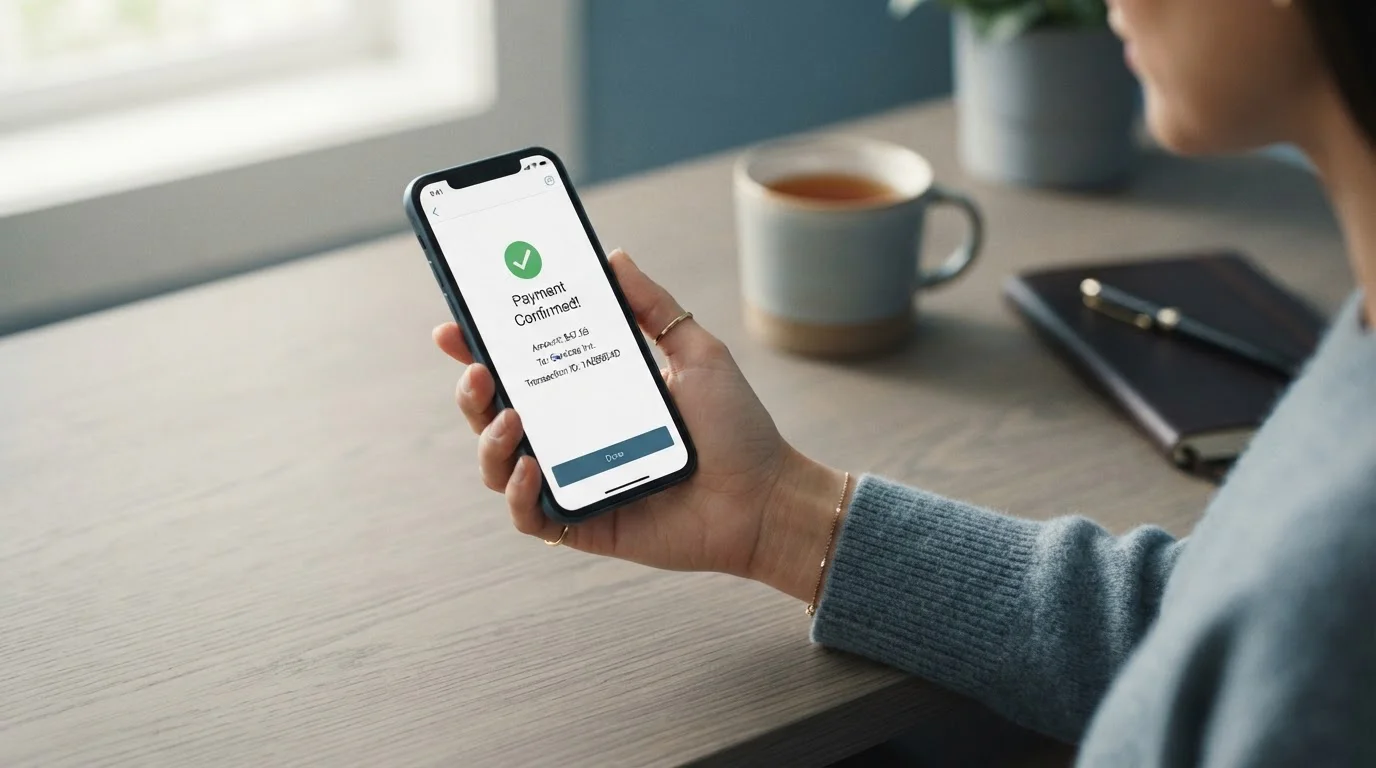
Most pages about Google Pay and online pokies do the same three things — paste a logo on a brand list, promise instant money, and quietly forget the part where you actually try to get your winnings out. This guide starts from the awkward question the listicles skip: where, in 2026, can you genuinely tap your phone to fund a casino, and what happens the moment you want to reverse the flow?
Quick answer — where Google Pay works for Aussies
Here is the short version, because the short version matters when you are standing at a cashier screen.
Yes, you can use Google Pay at a range of online casinos that accept Australian players. The honest caveat is that this is a deposits-on-rail market. You fund your account with a phone tap, the money lands in seconds, and the casino never sees your real card number because Google hands over a tokenised stand-in. The withdrawal almost always leaves through a different door — bank transfer, a crypto wallet, or an e-wallet such as Skrill or ecoPayz. The “instant Google Pay withdrawal” queries that fill todo lists are, at the time of writing, a contradiction in terms at the cashier, and a chunk of this article exists to show you why.
A second thing worth saying plainly up front: every casino that takes a Google Pay deposit from an Australian address is operating offshore. There is no Australian licence for online pokies or online table games — the federal Interactive Gambling Act 2001 prohibits the provision of those services to people physically in Australia, and the regulator, the Australian Communications and Media Authority, blocks offshore domains and fines their operators. That does not make the deposit button illegal for you personally, but it does mean you are choosing an unregulated relationship every time you fund an offshore account. The safety net most Aussie players expect — the national self-exclusion register BetStop, the dispute channels that licensed wagering operators must keep open — simply does not extend to these sites. This guide keeps that fact next to the brand names rather than buried behind them.
So how is the rest of this structured? First, the eight brands that actually surface a Google Pay option in their cashier for Australian players, each profiled properly rather than as a row in a table you cannot trust. Then the deposit procedure, with the limits and the fees and the specific reason a fully funded tap sometimes still declines. Then the payout side, because that is where Google Pay surprises people. Then the games, the small deposits, the legality and KYC picture, a like-for-like comparison against PayID, PayPal, Neosurf, cards and crypto, and the bonus reality. The point is not to talk you into a deposit — it is to make sure that if you do tap to fund an account, you do it with your eyes open and with the money already routed to a rail that can actually bring it home.
Can you use Google Pay at online casinos in Australia?
Yes — at a set of offshore casinos that accept Australian players, Google Pay works as a deposit method: you authenticate on your phone, a tokenised card is charged, and your balance is credited within seconds. The catch is that Google Pay almost never supports withdrawals, so your winnings return to a bank account, crypto wallet or e-wallet instead. Every casino taking the deposit is offshore; none is licensed for Australia.

Eight Google Pay casinos that accept Australians — ranked and compared
These eight brands are grouped by how useful they are to someone whose priority is a clean Google Pay deposit from an Australian address, not by affiliate commission. Each is offshore-licensed — almost all of them Curaçao — and each is presented with the friction, not just the headline number. Treat every claim below as “as reported in 2026“; verify the licence in the site footer against the Curaçao register and check that the Google Pay logo appears in your own cashier, because availability can differ by region, currency and account history.
| Operator | Licence (offshore) | Typical withdrawal speed (non-GPay rails) | Minimum Google Pay deposit | Distinguishing feature |
|---|---|---|---|---|
| Casino Rocket | Curaçao (verify GCB number) | Crypto/USDT minutes to ~24h; e-wallet ~24h | A$10 | Largest lobby in this set and an “instant payout” identity built on crypto |
| Playamo | Curaçao | e-wallet ~24h; card 1–3 days | A$10 | Long-standing AU presence; broad pokies and live-dealer coverage |
| Golden Crown | Curaçao | card 1–3 days; bank 2–7 days | A$20 | Mid-size welcome package and a comparatively tidy cashier |
| King Billy | Curaçao | ~2–3 days on non-crypto rails | A$10 | High AU visibility; pokies and progressive-jackpot focus |
| BetRiot | Curaçao | e-wallet ~24h; bank 2–7 days | A$20 | Newer brand, generous headline bonus, thin operating history |
| Sharkroll | Curaçao | e-wallet ~24h; bank 2–7 days | A$10 | Biggest match-percentage headline in this lineup |
| Pubs Casino | Curaçao | e-wallet ~24h; card 1–3 days | A$10 | Cashback-first promotions rather than a huge first-deposit match |
| Slots Gallery | Curaçao | reported 2–4 days on non-crypto rails | A$30 | Largest raw game count quoted, but the highest deposit floor |
A note on the comparison itself. The withdrawal-speed column deliberately does not list Google Pay, because Google Pay is not a withdrawal rail — that is the whole point of the next two H3 sections. The numbers reflect the alternatives each site uses, and they are affiliate-reported medians, not guarantees; the first cashout at any of these operators also passes through identity checks that can add a day or two on top.
Casino Rocket
Casino Rocket is the brand you will trip over in almost every Australian Google Pay roundup, and the reason is the cashier rather than the catalogue. It is a Curaçao-licensed offshore casino — you should read that as “not Australian, verify the number,” not as a stamp of safety — and its Google Pay deposit option appears reliably for players funding in Australian dollars, with the floor sitting at A$10. Rocket leans hard on a crypto payout identity: USDT and the major coins can clear in minutes to about a day, which is the closest thing in this list to the “instant” word that gets bandied about by the headline writers. The game count, somewhere in the region of seven thousand titles depending on which page you believe, is the widest in the group, heavy on pokies from studios like BGaming and Pragmatic Play.
Where Rocket earns its ranking is on the friction side of the deposit. A tap that funds an account with a crypto exit path gives you a complete loop — money in fast, money out fast — even though the money out never actually uses the Google Pay token you funded with. The catch is the usual offshore one: a Curaçao licence means no Australian regulator will chase Rocket’s payout on your behalf if a withdrawal is refused. Keep the stake small, complete your KYC before you build a balance you care about, and photograph the cashier page showing the Google Pay option at the moment you deposit, so you have a timestamped record of what the site offered you.
Playamo
Playamo is one of the older Australian-facing offshore casinos, the kind that has been quietly running long enough to outlast a parade of shinier launch sites. It operates under a Curaçao licence, and it is a safe bet to expect a Google Pay deposit tile at the cashier for AU-dollar accounts, again at an A$10 entry point. Where Playamo differentiates is in its live-dealer coverage as much as its pokies — it is a sensible pick for a player who wants roulette, blackjack and live baccarat tables alongside the reel-spinner, funded by a wallet tap rather than a card form.
The practical pitch for Playamo is consistency. Non-crypto withdrawals typically run a day or two on e-wallets and a few days on card or bank, which is unremarkable but predictable, and predictability is worth something when you are trying to read a site’s honesty. The reload and cashback layers on top of the welcome offer mean a returning player is not forced to re-qualify for a fresh lump bonus, with all the wagering strings that come attached, just to feel like they are getting value. The same offshore caveat applies — Curaçao, not Australia — and the same advice: verify the licence footer, clear KYC early, and do not treat a long operating history as a substitute for a local licence, because it is not one.
Golden Crown
Golden Crown is the brand to look at if you want a mid-sized welcome package without the highest deposit floor in this set, and it generally supports Google Pay as an AU deposit method at the cashier. Its reported library of roughly four to five thousand games sits in the middle of the pack, and the entry minimum of A$20 is the point where you notice that not every “low-deposit” casino means the same thing — two brands in this list will take your ten, Golden Crown wants twenty. That is not a dealbreaker; a A$20 first deposit simply buys you a little more play time before the maths of the minimum withdrawal starts to bite.
On payouts, Golden Crown behaves like the other Curaçao-licensed operators: e-wallets are quicker, card and bank are slower, crypto depends on which rails the brand supports for your account. The differentiator reviewers keep flagging is the cashier UX — fewer dark patterns, a clearer balance, less of the “where did my money go” panic when you move between deposit and withdrawal tabs. For a player whose main anxiety with Google Pay is “will this actually credit and will this actually leave,” a tidy interface is worth real money, even if it does not look like much in a comparison table. Verify the licence against the Curaçao registry before funding, because the A$20 is only as safe as your ability to get the A$200 back.
King Billy
King Billy carries one of the heavier Australian brand names in offshore pokies, part of a family of sites that market hard to this market, and it tends to show a Google Pay deposit option for AU accounts with an A$10 minimum. The catalogue skews toward pokies and progressive jackpots, which lines up almost exactly with what the search data around “google pay pokies” is screaming for, and the brand is recognisable enough that a player bouncing between listicles will keep running into it — which is partly why it belongs near the top of a relevance ranking even if its operating profile is the same Curaçao offshore story as the rest.
The practical read on King Billy is the same shape as the others but with a couple of quirks worth knowing. Its reported withdrawal window on non-crypto rails of two or three days is honest and unremarkable, and the VIP layer that hangs off the brand is a classic loyalty structure — cashback, personal account management, the whole velvet-rope performance. That “VIP” word deserves its scare quotes: nobody is your friend because you deposit A$50 a week, the host exists to keep your stake flowing, and the comped bonus you are offered will arrive with wagering that recycles your money back through the reels a dozen times before it is cashable. Fund it with a tap, play it with that understanding, and the experience is fine.
BetRiot
BetRiot is the newest-feeling name here, and that is both its appeal and its risk. It is a Curaçao-licensed offshore site with a reported library above six thousand games and an Australian-dollar cashier that, in the roundup tables, lists Google Pay among its deposit options with a A$20 minimum. The headline welcome package — a match on the first deposit plus a pile of free spins — is competitive, which is exactly what a young brand does to pry players off established names. For a reader whose question is “which casinos accept Google Pay,” BetRiot is a legitimate yes, with a side of caution that comes from a shorter track record.
The caution is concrete. A newer operator has had fewer audits by unhappy players, fewer slow payouts that got complained about publicly, fewer years of surviving the Australian blocking regime. None of that means a site is dishonest; it means you have less history to lean on, and with no Australian regulator in the loop, history is your only risk-management tool. If you want to try BetRiot’s Google Pay tap, do it with a small first deposit, complete verification before you build a real balance, and confirm you can actually withdraw the whole loop once before you commit anything you would miss. The bonus is not “free”; it is a contract written by someone whose incentive is to keep your spins turning.
Sharkroll
Sharkroll markets itself on a big match-percentage headline — up around the three-hundred-percent mark in some roundup tables — and a reported seven-thousand-plus game count, with Google Pay appearing as an Australian deposit method at the low A$10 entry point. On paper that combination, a fat percentage and a small deposit floor, is catnip for a player trying to stretch a ten-dollar note into something that looks like a bankroll. The reality is more arithmetic than marketing: a three-hundred-percent match on A$10 produces a chunk of bonus money, and the larger the bonus, the heavier the wagering attached to clearing it, and the longer your money has to churn through the games before a withdrawal is even on the table.
So Sharkroll is a genuine Google Pay casino for an Australian tap-deposit, but it is best understood by someone who has already read the bonus terms and not just the banner. The Curaçao offshore licence is the same caveat threaded through this entire list, and the high-percentage welcome is exactly the kind of offer that rewards a small deposit but punishes a withdrawal in a hurry — because bonus money is almost always locked behind a playthrough you can only satisfy by betting a multiple of it. If you take the A$10 tap and the big headline bonus, accept that your first “how do I get this out” moment will come after you have met the playthrough, not before.
Pubs Casino
Pubs Casino rounds out the low-deposit end of this set: a reported five-thousand-plus game library, Google Pay as an Australian deposit method at the A$10 floor, and — unusual for this market — a promotions structure that leads with cashback rather than a monster first-deposit match. Daily cashback, often quoted up around ten percent in the roundup tables, is a quieter kind of value than a giant percentage headline, and for a depositing-and-withdrawing player it is usually the more honest of the two. Cashback is typically paid on net losses as you play, with fewer of the locking strings that a big lump match drags behind it, which means your balance behaves more like your own money sooner.
The “cashback” label still deserves a look at the terms — percentage on losses, timing of the credit, whether it arrives as real balance or as a wagerable bonus — but relative to a three-hundred-percent match it is the more grown-up offer in this group, and it pairs sensibly with a small Google Pay deposit you intend to top up or clear on your own schedule. Same Curaçao offshore licence, same verify-the-footer rule, same complete-your-KYC-before-you-need-it advice. For a tap-to-fund player who values keeping their money moving over chasing a headline, Pubs is a reasonable place to start, which is why it sits above the gallery of the last entry despite a smaller library.
Slots Gallery
Slots Gallery is the loudest game count in this comparison — over nine thousand titles by the affiliate numbers — and it is a real Google Pay casino for Australian players, with two asterisks that explain why it closes the ranking rather than opening it. The first is the deposit floor: Slots Gallery wants A$30 to get you in the door, the highest minimum in this set, so it is the wrong answer to the “A$10 Google Pay casino” question even as it is a perfect answer to “what is the biggest lobby.” The second is its reported payout timing on non-crypto rails, around two to four days, which is the slower end of the realistic range and a reminder that a giant catalogue does not automatically mean a generous operator.
That said, for a player who is choosing on variety and is genuinely going to deposit more than thirty dollars and stay a while, Slots Gallery’s breadth is its honest selling point — pokies, live tables and a catalogue deep enough that you will rarely finish it. Google Pay still funds it with a tap; crypto and e-wallets still carry the money out; the Curaçao licence still means you are outside the Australian system. Read the high minimum as a filter: Slots Gallery is not fishing for ten-dollar testers, it is courting committed players who want depth over a cheap entry, and you should only tap if you fit the first description rather than the second.
Which online casinos accept Google Pay deposits for Australian players?
In 2026 the Australian-facing offshore casinos that reliably show a Google Pay deposit tile include Casino Rocket, Playamo, Golden Crown, King Billy, BetRiot, Sharkroll, Pubs Casino and Slots Gallery. Minimum deposits run A$10–A$30 and almost all are Curaçao-licensed. Availability varies by account and region, so confirm the Google Pay option appears in your own cashier before funding.

How to deposit with Google Pay — step-by-step, limits, fees and what fails
The deposit itself is the part the listicles get right, even if they get everything else wrong. Funding an Australian casino account with Google Pay is roughly a three-minute job on a phone and closer to thirty seconds once your card is already in the wallet. But the small print around limits, fees and the specific failure modes is where the value actually lives, so here is the procedure and then the things nobody in the top ten bothers to explain.
To set up: you need an Android or iPhone with the Google Pay (or Google Wallet) app installed, a debit or credit card added to it, and a supporting Australian bank account behind that card. Then the flow at the casino looks like this — register and log in, open the cashier or banking page, choose Deposit, select Google Pay from the payment-method grid, type the amount (respecting the site’s minimum), approve the charge on your phone with your fingerprint or face, and watch the balance credit within seconds. The money goes in as a tokenised card payment: the casino receives a device account number generated by Google, not your actual card digits, which is the genuine privacy upside of the whole arrangement. Your statement will reflect the merchant and the amount, and depending on how the operator and your bank classify the transaction, you may see it as a gambling purchase or, less pleasantly, as a card feature with its own consequences.
How long do Google Pay casino deposits and withdrawals take?
A Google Pay deposit is near-instant: the tokenised card charge authorises in seconds and the balance almost always credits inside five minutes. A withdrawal, however, cannot use Google Pay at any of these casinos — payouts go by crypto (minutes to a day), e-wallet (about a day) or card and bank (one to five business days), each after an identity check on the first request.
The limits you are actually dealing with
There are two separate ceilings on a Google Pay deposit and people mix them up. The first is the casino’s own: a minimum, usually A$10 to A$30, and a per-transaction or daily maximum that the operator sets and the cashier will show. The second is Google’s, which is not a limit at all but your bank’s — the contactless and online spending cap on the underlying card, plus any per-transaction ceiling your bank applies to card-not-present purchases. A funded tap that declines at a small amount is almost always the second kind, your bank’s cap or a security flag, not the casino being stingy. If you are planning to push more than the card’s usual online limit, raise the cap in your banking app first or you will spend more time fighting fraud controls than playing.
The fee question, and the one place fees really hide
Google Pay itself does not add a surcharge to a casino deposit, and most of these operators do not either — a A$50 tap credits A$50. The fee that does exist is the one the payment-method pages conveniently blur: the conversion charge when a Curaçao site settles in euros or US dollars but funds in Australian dollars. That currency spread is a card-network and issuer thing, typically a percentage of the transaction, and it does not matter how the money entered — your card, via the Google token, still eats it. The fix is simple and is rarely mentioned: find a site whose cashier actually settles in AUD, so there is no conversion on the way in and none on the way out. A “no fee” claim that ignores a three-to-four-percent conversion drag is technically true and practically misleading.
Why a fully funded Google Pay tap still declines
This is the gap that separates this guide from the rest. Merchant category code 7995 is the banking code that flags a transaction as betting and gambling. Several Australian banks let you toggle a “block gambling transactions” switch in their app, and more of them have added one in the last couple of years as a consumer-protection feature. With that switch on, a Google Pay tap at a casino cashier declines no matter how much headroom your card has, because the decline is happening on the category, not the amount. There is no clever workaround worth trusting — the toggle exists to stop you spending at merchants the code labels gambling, and overriding it via some other rail is the same as switching your own safety off. The honest answer to “why did my Google Pay deposit fail” is usually one of three things: that gambling block is on, your bank flagged a new high-risk overseas merchant, or your card is a credit product and the operator (or the 2023 amendments to the Act, on the wagering side) will not take credit for this kind of transaction.

Withdrawals — why Google Pay is deposits-only and how you actually get paid
This is the section that “instant withdrawal casino Australia Google Pay” talk is really asking about, and the answer is going to disappoint the clickbait. Google Pay is, for practical purposes, a one-way door on a casino account. You can walk your money in through it. You cannot, at the brands in this guide and almost certainly not at the ones you will find in a future list, walk your money back out through the same door.
The reason is structural, not a quirk of stingy operators. Google Pay is a tokenised card-payment system: it moves money by mimicking a card purchase from you to a merchant. A withdrawal is the opposite direction — a merchant pushing money back to a customer — and that is not what a card token is built to do. Card refunds can bounce a charge back to a funding card in some cases, but casinos do not use that as a payout mechanism; it is slow, inconsistent and breaks the way they track a player’s balance. The rails a casino can reliably pay out on are the ones designed for funds moving from a business to a person, or between wallets: a bank transfer, a crypto address, or an e-wallet account. Google Pay does not sit on that list. So when a site advertises “withdraw to Google Pay,” read it charitably as “we did not proofread the page” and read it realistically as a button that will quietly route your cashout to a different method anyway.
Can you withdraw winnings back to Google Pay?
Generally, no. At the Australian-facing offshore casinos that take Google Pay deposits, withdrawals are not returned to the Google Pay wallet because Google Pay is a card-purchase system, not a payout rail. Your winnings go to a bank transfer, a crypto wallet or an e-wallet instead, and the original Google Pay deposit simply becomes one part of an in-and-out loop that uses two different methods.
Here is the payout map that actually describes how you get your money from these brands, using the rails they really run rather than the one those “instant withdrawal” headlines want.
| Withdrawal rail | Typical speed (after KYC) | Practical minimum withdrawal | When you will reach for it |
|---|---|---|---|
| Crypto (USDT / BTC / ETH) | Minutes to ~24h | Set by the site, often low | Fastest exit from a Curaçao casino; you need a wallet you control |
| E-wallet (Skrill, ecoPayz, MuchBetter) | ~24h | ~A$20–A$50 | The common “instant-ish” fiat exit; small transfer-out fee later |
| Debit card | 1–5 business days | ~A$20–A$50 | Convenient if the site pushes back to the funding card |
| Bank transfer | 2–7 business days | ~A$50+ | Reliable for larger amounts; slowest and most paperwork |
| Google Pay | — | — | Not a withdrawal option at these sites |
The pattern to design around is a split loop. Money goes in through Google Pay, fast and private, and comes out through a rail you deliberately set up the same day you deposit — ideally crypto if you want speed, or an e-wallet if you want to stay inside the fiat system without a week-long bank wait. The mistake that strands beginners is a lazy first deposit with no thought about the exit, then a balance trapped behind a KYC queue and a method they never verified. Decide your exit rail before your first tap, not after your first win.
The other withdrawal reality the listicles omit is timing on the first cashout specifically. Identity verification — know-your-customer — typically has to clear before an offshore casino releases anything, and that first check adds a day or two on top of the rail times above. After that, returning to the same rail is quicker. So the “instant” that a brand promises for an e-wallet or crypto payout is real, but it is instant once your account is verified and your method is approved, not instant at two in the morning the first time you hit the button on a fresh registration.

What you can play on a Google Pay balance — pokies, slots and table games
A Google Pay deposit does not buy you a specific game. It credits your wallet balance, and once the balance is there the cashier’s job is done — every title on the site is now spendable from that one tap. That is worth stating because names like “google pay pokies” imply some kind of game-level integration that simply does not exist. You are not playing “on Google Pay,” you are playing on a balance that Google Pay happened to top up.
The Australian pokies emphasis is real, though. The Australian demand leans overwhelmingly toward pokies and slots, and the offshore lobbies serving this market are built around them — the seven-to-nine-thousand-title counts in the comparison above are mostly reel-spinners, from studios like BGaming and Pragmatic Play alongside older NetEnt and Microgaming catalogue that still earns its keep. Pokies are also where the A$10 deposit matters, because you can play them at ten, fifteen or twenty cents a spin and stretch a small balance over a real session rather than burning it in three hands. RTP, the theoretical return figure printed in a game’s information screen, is the one number on a slot that means something — it is a long-run mathematical edge, not a prediction about your Tuesday night, and anyone who tells you a pokie is “due” is selling you a feeling.
Table games and live dealer sit in the same funded balance and behave the same way: blackjack, roulette and baccarat, with Evolution and Pragmatic Live powering most of the live-dealer floors on these brands. There is no Google Pay restriction at the table either, and for players who find fast-spin pokies harder to pace, a slower live round funded by the same tap is a reasonable way to spend a session. The minor caveat with tables and bonuses is weighting — the playthrough on a lump offer usually counts pokies at a hundred percent and table games at a fraction of that or not at all, so a bonus you clear by playing roulette takes far longer to satisfy the same requirement, and some sites simply disqualify it. That is a bonus-terms thing, not a payment-method thing, and it brings us back to a truth that runs through the rest of this article: the method you deposit with is almost never what gets you in trouble — the terms you agreed to at the same moment are.
Real money and the A$10 test — making a small Google Pay deposit count
The inquiries behind “google pay pokies 10 deposit” represent a specific kind of player, and it is worth speaking to them directly because most of this market ignores them. You have a ten-dollar note, you want to see what a site feels like for real money without a commitment, and you want the deposit to be as effortless as the price tag. Google Pay is genuinely good for that: no card form to fill, no waiting on a bank, you authenticate, the A$10 lands, you are playing. Several of the brands in the comparison above take A$10 as their minimum, which means your ten is a valid first deposit rather than a top-up.
What is the minimum deposit at Google Pay casinos in Australia?
Across the Australian-facing Google Pay casinos the minimum deposit is usually A$10, with a few requiring A$20 (Golden Crown, BetRiot) and Slots Gallery asking A$30. The floor is set by the operator, not by Google Pay, and it can shift by account and currency — so the A$10 you expect in the cashier is the number the site actually shows you for your own region.
The honest maths of a A$10 bankroll, though, is where the experience stops matching the marketing. At a A$0.20 minimum stake a ten gives you fifty spins before you have lost anything, which sounds like a session and plays like a two-minute trailer. If you take a welcome bonus on that ten — say a match that turns A$10 into A$30 of play — you also inherit a playthrough requirement, commonly somewhere in the region of thirty to forty-five times, which means A$900 to A$1,350 of total bets before the bonus side of the balance is yours to withdraw. On fifty spins of a ten-dollar note you are not going anywhere near that volume, so the practical reality is that a A$10 deposit is for testing the cashier and the game feel, not for cashing out a bonus. That is a completely legitimate reason to tap A$10 — just know that the value you are buying is the information, not a return.
The second half of the A$10 story is the exit, and it connects to the withdrawal section above. A site that lets you in for A$10 often sets its minimum withdrawal at A$20, A$50, or higher. A ten-dollar deposit that wins you A$35 is fine; a ten-dollar deposit that wins you A$12 and a A$50 cashout floor is a problem, because the small entry does not pair with a small exit. Before you test a casino with a Google Pay tap, read the withdrawal minimum on the same page you read the deposit minimum — the gap between the two tells you more about how a brand treats a casual player than any promotional banner ever will.
The players who genuinely benefit from a small Google Pay deposit are the ones using it to vet a site: confirm the lobby loads, check that the cashier shows AUD and not a converted currency, run the first deposit through and verify it credits in seconds, and complete KYC while you are inside the account. Once you have done that with ten dollars you know more about whether an operator is straight than a thousand words of review copy. Then, and only then, decide whether to commit real money to the same rails.

Is it legal and safe for Australians — IGA 2001, ACMA, KYC and your protections
Legality is the part that the payment-method listicles dodge entirely, and given the page title itself is packed with “australia” references you deserve a real answer rather than an “18+” badge in the corner. The short, slightly uncomfortable version: playing at an offshore casino that takes your Google Pay deposit is not a crime you will be charged with, but the casino you are playing at is breaking Australian law, and that asymmetry is the source of nearly every risk on this page.
Here is how the framework works. The Interactive Gambling Act 2001 is a federal law that makes it unlawful to provide certain interactive gambling services — online casino games, online pokies, and the like — to people physically in Australia. The prohibition lands on the provider, not the player. There is no offence in the Act for an Australian adult simply staking money at an offshore site; the offence is on the operator supplying the service to them. ACMA is the agency that enforces this, and its tools are blocking offshore domains at the ISP level and pursuing civil penalties in the Federal Court, which it has continued to do at scale into 2026, including large penalty orders against providers of prohibited services. The Act was amended more recently to tighten rules around credit and certain wagering payments, which is one more reason a Google Pay tap can fail if it is routed through a credit product.
Is it safe and legal to use Google Pay at offshore casinos as an Aussie?
As a player, using Google Pay at an offshore casino is not itself an offence under the Act, which targets operators rather than individuals. The risk is the lack of recourse: the casino is licensed offshore, ACMA has blocked thousands of such sites, and there is no Australian regulator to arbitrate a refused withdrawal. Treat any play there as unprotected by design.
That asymmetry creates a protection gap that matters more than the legal question. Licensed Australian wagering operators — the sports-betting and racing sites that are lawful here — must plug into BetStop, the national self-exclusion register, and must follow a binding responsible-gambling code. Every offshore casino in this article does neither. If you self-exclude from a licensed bookmaker through BetStop, an offshore pokies site that never joined BetStop will still happily take your Google Pay deposit the same afternoon. There is no central complaint channel, no Australian ombudsman that can force a Curaçao brand to release your balance, and no local licensing condition about how you are treated once you sign up. Your only leverage is the brand’s own goodwill and the small print of the licence it claims.
The data-and-payment safety is better news, and it is the part where Google Pay genuinely helps you. Because the wallet swaps your real card number for a device account number, the casino never stores your actual card details — a breach on their side yields a token that is far less useful to a thief than a raw card number. Authentication on your phone, fingerprint or face, adds a step a stolen card number alone cannot clear. That is a real improvement over typing your card digits directly into an offshore cashier, and it is the strongest argument for Google Pay as a deposit method. But a tokenised deposit is a fast way to move money out of your control at an operator outside your legal reach — the security is about your card data, not about your winnings.
Do you need KYC verification to withdraw from a Google Pay casino?
Yes. Almost every offshore casino requires know-your-customer checks before releasing a withdrawal — usually photo ID and a proof of address matching your registration. The good news is that once your documents are approved your first cashout follows; the catch is that the check can take a day or two and it gates the whole payout, so submit your KYC right after registering, not at the moment you are desperate for the money.
The practical safety net, then, is not the law — the law is not on your side here — but a combination of your own settings and your own discipline. Keep the stake small enough that a refused withdrawal is an annoyance and not a loss you cannot absorb. Use Google Pay rather than a stored card for the reasons above. Turn on your bank’s gambling-block toggle when you want a hard stop, since the toggle works on the merchant code regardless of which wallet you tap. Set a deposit limit inside the casino account if it offers one. Treat self-exclusion on a licensed wagering site as worthless against an offshore casino, because it is. And verify, in the footer, that the licence number the brand shows you actually resolves in the Curaçao registry before you fund anything — that one habit catches most of the genuinely bad operators, the ones whose “licence” is a decorative image.
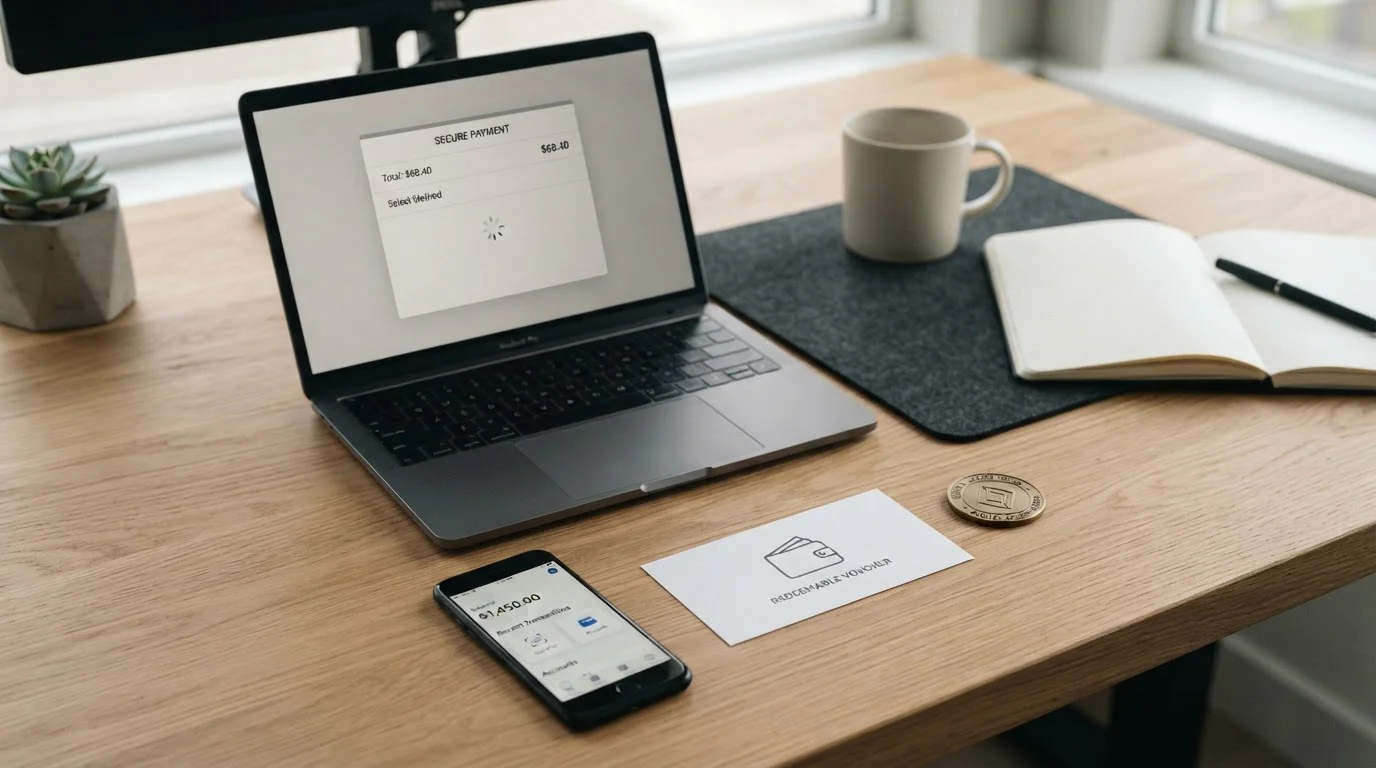
Google Pay vs the alternatives Aussies actually use — PayID, PayPal, Neosurf, cards, crypto
If Google Pay’s payout problem annoys you, the alternatives tell a more useful story than any “best method” banner. Australian online gamblers, especially those already outside the offshore-casino world and using the legal licensed-wagering sites, have a whole toolkit of local rails, and each one trades the same way: convenience against cost against speed against whether it can move money both directions. The comparison below answers the “alternatives” question at the heart of many “google pay vs payid” queries.
| Method | Deposit speed | Withdrawal | Fees | When to pick it over Google Pay |
|---|---|---|---|---|
| Google Pay | Seconds | Not available | None from Google; possible AUD conversion drag | You want tokenised, private card deposits on a phone |
| PayID / Osko | Minutes (bank-to-bank) | Yes — back to your bank, often same-day | Bank fee at most, usually none for PayID | You want a full in-and-out loop on real Australian dollars |
| BPAY | Hours to a day | Rarely (push-only) | Often none for you | Deposit-only with an existing biller, no card involved |
| POLi / instant bank | Seconds (online banking) | Rarely | Usually none | You have online banking and want a debit-rail deposit |
| Neosurf / paysafecard | Instant (prepaid voucher) | No (prepaid can’t receive) | Retailer fee to buy the voucher | Maximum privacy and a hard, pre-set spending cap |
| Debit / credit card | Seconds | Sometimes, 1–5 days | Conversion spread on offshore sites | You do not want a wallet in the middle at all |
| PayPal | Seconds | Yes, to PayPal balance | Depends on merchant and currency | You want a two-way wallet with some buyer-style recourse |
| Crypto (USDT / BTC) | Minutes | Yes, to a wallet you control | Network fee, fluctuates | You want the fastest exit, especially from Curaçao sites |
The takeaway the table makes obvious: the rails that fix Google Pay’s one-way problem are PayID on the fiat side and crypto on the fast side. PayID is the Australian phone-number-to-bank-account addressing that lets a site pay you straight back into your own account, which is exactly the reverse direction Google Pay cannot do. Crypto solves it differently — the address is yours, the payout is a transfer to that address, and the speed is the minutes-to-a-day you see in the withdrawal table above. Both let you close the loop that a Google Pay tap opens. If your whole goal is one clean in-and-out rail and you are playing at an operator that supports it, PayID is the native Australian answer and Google Pay is the wrong tool for the exit even though it is the perfect tool for the entrance.
The privacy rails, Neosurf and paysafecard, are their own trade-off and they solve a different problem than speed. A prepaid voucher caps what you can spend before you ever reach the cashier — you can only deposit the value of the code you bought — which is the single most effective self-imposed limit in gambling, and for some players a far better reason to choose a method than convenience. PayPal sits on the other side: a two-way wallet with a consumer-facing dispute layer, which no offshore casino in this guide can claim to offer you through Australian channels. None of these are strictly “better” than Google Pay; they are better at different jobs, and the right one is whatever lets you finish the loop you started without a surprise at the withdrawal screen.
Bonuses, free spins and new Google Pay pokies — what the promos really mean
A small honesty note before anything else: at the brands in this guide there is no special Google Pay bonus. Operators almost never create deposit-method-specific promotions, because the method is the plumbing and the bonus is the bait — the first-deposit match, the reload and the free spins are the same offers whether you funded with a card, a tap or a voucher. So when you see “google pay casino bonus” and “google pay no deposit bonus” in a listicle, read it as “the normal welcome offer, available to people who happen to deposit via Google Pay.” That is not the site lying to you; it is the wording of the bonus search doing a little impersonation.
A welcome bonus on a Google Pay deposit behaves the way it does on any deposit. A match percentage multiplies your deposit into a lump of play money you do not yet own. A pile of free spins usually credits across several days, lands on selected pokies, and carries a wagering requirement on whatever it wins. The number that decides whether a bonus is worth taking is not the headline percentage, it is the playthrough — the multiple of (bonus, or bonus-plus-deposit) you have to bet before the money is withdrawable — together with the game weighting, the maximum stake you are allowed while clearing it, and the time limit to finish. A A$50 Google Pay tap that triggers a A$100 bonus at forty times can require A$6,000 of wagers to cash out. The “free” in front of the offer is exactly as free as a loan is free before the interest comes due, and the interest is your time and your risk of tilting back through the playthrough.
The same caution applies to the wave of new offshore casinos — the “new google pay pokies” and “new google pay casino” brands that launch every month and will show a Google Pay tile just as happily as the eight above, because the same payment processors serve them all. A brand-new site is interesting precisely because it has not yet had a year of unhappy players to reveal how it pays out, and that is exactly why a new site is the worst place to park a bonus balance you intend to clear. If you want to test a new operator, do it the same way you would with the smallest deposit in the comparison above: a small Google Pay tap, no bonus claimed, your KYC submitted, and a single verified withdrawal run through the loop before you ever agree to a playthrough with a fresh brand.
Tap to play on mobile and keep it under control
Google Pay exists in this market because of the phone, and the phone is the whole point of why a deposit feels effortless. A 2026 pokies lobby is a responsive web app or a downloadable client, the cashier is a few taps deep, and a deposit that authenticates against your fingerprint removes the friction that used to make you pause and reconsider. That convenience is genuinely good for the vetting use described earlier and genuinely dangerous for the obvious reason: a frictionless button is also a frictionless button when you are tired, annoyed, or chasing a loss.
The mobile controls that counterbalance that are the ones most players never set up. In your Google and banking apps you can lock spending caps to the underlying card and, on many Australian banks, switch on the gambling-block toggle that stops category-7995 merchants entirely. Inside the casino account itself, the better offshore brands expose deposit and session limits — not as a headline feature, but buried in the responsible-gambling footer, which tells you all you need to know about whether they want you to find them. Set them on the day you register, when you are calm and thinking clearly, because a limit configured in the moment you want to chase is a limit you will look for a way around.
A last, plain note on control, not because it is required and not because it is marketing, but because an offshore pokies site funded by one-tap Google Pay is a high-frequency, low-friction machine pointed at exactly the part of the brain that stops weighing money as money. If you find yourself thinking about the deposit button more than the game, chasing the playthrough as if clearing it were a job, or betting to fix a bad day, that is the moment to use the block rather than the wallet. Free, confidential, 24/7, everywhere in Australia: Gambling Help On Line on 1800 858 858, or gamblinghelponline.org.au. That number reaches a counsellor far faster than any casino cashout reaches your bank, and unlike the brands above, nobody at the end of it is paid when you keep playing.
Casino Deposit Methods Australia 2026 — PayID, POLi, PayPal & More
Content created by the «PayCasino» team