
Pay by Phone Casinos in Australia: why the phone bill never worked here, and what does
 Available in AU
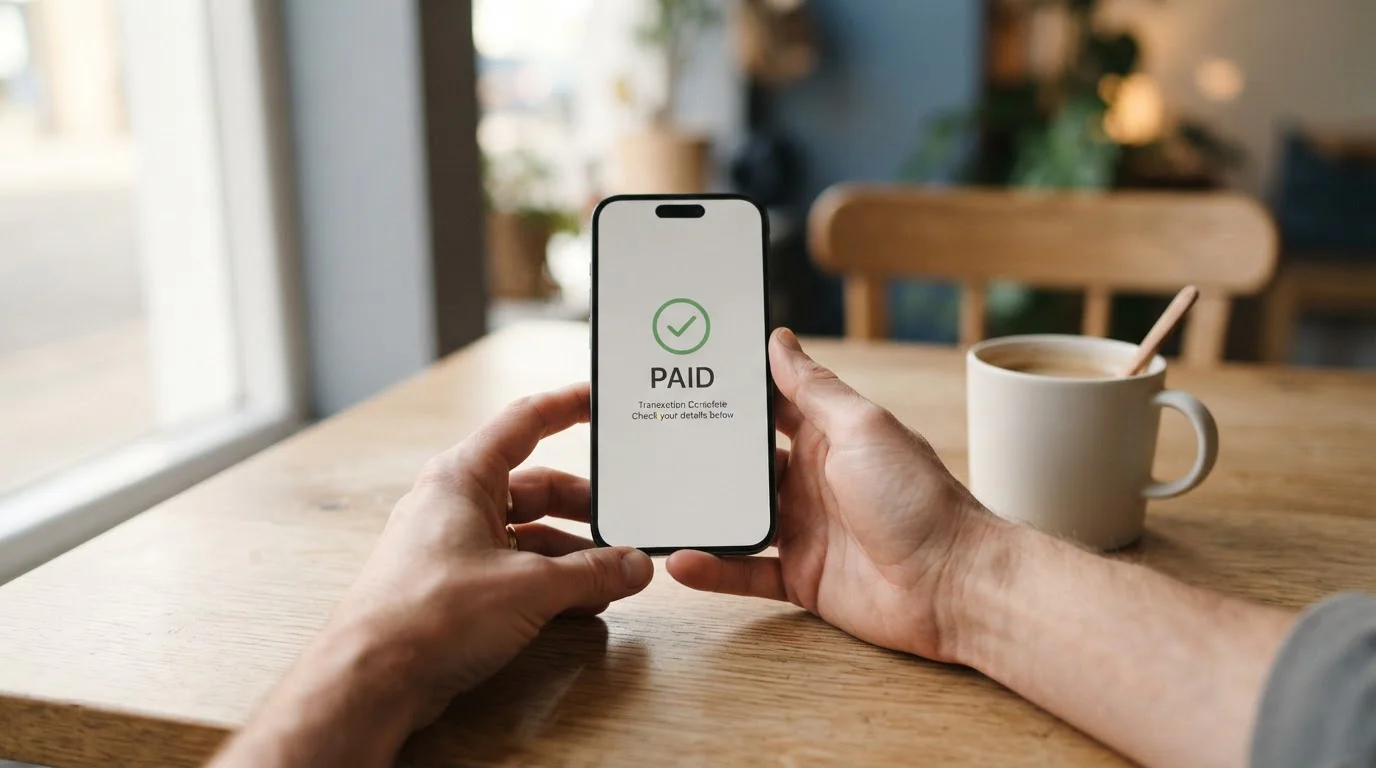
The short answer on paying by phone bill in Australia
No Australian carrier lets you charge an online casino deposit to your mobile bill or prepaid credit. Not Telstra, not Optus, not Vodafone. Boku, the company behind almost every pay by phone bill casino page you have read, keeps gambling outside its Australian coverage entirely. The rail is not hidden or hard to find. It is absent.
That is worth sitting with for a moment, because the search results will not tell you. Type the phrase into Google and you get two piles of pages, neither of which answers the question. One pile is British: pounds sterling, EE and O2 and Three in the carrier tiles, UK Gambling Commission licensing all through the small print. The other pile is Australian but silent on phone billing, offering a ranked list of mobile casinos and hoping you forget what you came for. There is even a third, thinner pile — pages badged for Australia, headed “Boku casinos”, carrying a quiet notice partway down admitting that none of the listed casinos accept Boku. The page stays up. The notice stays buried.
So the useful version of this question is not “which sites take my phone bill” but “what did I actually want from paying by phone bill, and can I get that here”. Strip the mechanism away and there are four motives underneath. You did not want to hand a card number to an offshore cashier. You did not want to key in a BSB and account number either. You wanted the deposit done in under a minute, from the handset, without opening a laptop. And you wanted a ceiling — an amount you physically could not exceed, because the bill only stretches so far.
Three of those four are available in Australia right now, and the fourth is available if you are willing to walk to a newsagent. PayID is keyed to your mobile number and settles in about a minute. Apple Pay and Google Pay confirm on your thumbprint. Neosurf and Flexepin are cash bought over a counter, which means a hard ceiling and no bank data anywhere near the casino. Below you will find the operators that accept these, what each one actually charges as a minimum, and which rail matches which motive.
One caution before the specifics. Every method on this page is deposit-only. Not one of them pays winnings back out, and that has consequences at cash-out time that most guides skip entirely.
Can I deposit at an online casino using my Telstra or Optus phone bill in Australia?
No. Australian carriers do not support gambling charges on a mobile bill or prepaid balance, and Optus has withdrawn third-party content charging from bills and prepaid credit altogether. Boku, the main carrier-billing provider, excludes gambling from its Australian coverage. Use PayID, a prepaid voucher, or a phone wallet instead.

How carrier billing actually works, and why it stops at the Australian border
Understanding the mechanism is what turns the answer above from an assertion into something you can check. Direct carrier billing, or DCB, is a payment method that treats your telco as a lender of last resort. You enter a mobile number at a checkout, confirm by SMS or in an app, and the merchant gets paid immediately. Your carrier settles with the payment provider at the end of the month, then adds the charge to your bill or claws it out of your prepaid balance. No card number is entered. No bank login is used. The merchant learns nothing about your finances beyond the fact that you have a working phone.
That design is elegant for small purchases and structurally hopeless for gambling. Money flows one way only: consumer to carrier to provider to merchant. There is no return leg, because no carrier has built a mechanism for crediting a merchant refund back onto a phone bill. Which is why every casino accepting carrier billing anywhere in the world demands a second method before it will pay you a cent.
Boku: the rail behind nearly every pay by phone casino page
Boku, Inc. was founded in 2009 by Mark Britto, Erich Ringewald and Ron Hinson, and it is now the dominant carrier-billing provider in consumer payments. The company reports more than seven billion payment accounts reachable, over 200 local payment methods on a single integration, and annual payment volume north of nine billion US dollars, with operations across roughly 29 countries and reach into 90-odd. Formidable numbers. They are also the source of the confusion, because Boku’s payments footprint and Boku’s gambling footprint are two very different maps.
Gambling access is restricted at the point where Boku signs up a merchant. The United States is excluded outright. Canada sits outside. Australia sits outside. The United Kingdom is where casino integration runs deepest, continental Europe is patchy and decided operator by operator, and Ireland is technically supported but rarely surfaced at a cashier. A payments company operating in 90 countries can still decline gambling in 85 of them, and that is precisely what has happened here.
What the UK numbers look like, and why you keep seeing pounds
The British version of this product is worth describing, partly because you have probably already read half of it and partly because the numbers explain why nobody in Australia has bothered to lobby for it. At a UK cashier, a carrier deposit runs between ten and thirty pounds per transaction. Daily aggregates land somewhere between thirty and two hundred and forty pounds depending on the operator’s affordability checks and how long the account has existed. On top of that sits a carrier ceiling of roughly forty pounds a month on a standard consumer contract, liftable by request through your network account settings. Prepaid users are capped by whatever credit they hold, which is the point of prepaid.
Boku itself does not charge the player a fee. Some networks add small charges on premium-rate billing tiers, though gambling deposits generally sit in the standard band alongside a Spotify or Netflix subscription. Deposits confirm in a second or ten. Then, when the bill arrives, the charge is sitting there in plain text, itemised, ready to be discussed with anyone who opens the envelope. Privacy from the casino, complete transparency to the household. Nobody advertises that part.
Convert those limits to Australian dollars and the product looks less like a payment method than a coin slot. Thirty pounds is somewhere near sixty Australian dollars on a good day. A typical AU-facing casino sets its floor at thirty dollars and its welcome offer at forty-five. You would be depositing at the bottom of the range, one transaction at a time, against a monthly telco ceiling that a single mid-sized cash-out would embarrass.
The telco side in Australia
Two facts sit either side of the Australian gap, and no guide has bothered to put them next to each other. On the merchant side, Boku restricts gambling when it acquires operators, and Australia is not in scope. On the network side, the mechanism that once resembled phone-bill funding here — third-party premium SMS charged to a bill or prepaid credit — has been wound back. Optus states plainly that third-party content providers offering premium SMS subscription services are no longer available to purchase on an Optus bill or using prepaid credit.
Put those together and there is nothing left to build on. Even if an offshore casino wanted to accept Australian carrier billing tomorrow, and even if Boku reversed its gambling policy, the Australian networks have spent the last decade dismantling exactly the third-party billing plumbing that would carry it. Premium SMS in Australia is a story about consumer-protection complaints and ombudsman rulings, not a growth market waiting for a gambling vertical.
Not Boku, no Boku: what people are really asking
A steady share of searches attach “not Boku” or “no Boku” to the phrase. Two kinds of people type that. The first has had a carrier decline, hit a monthly ceiling, or found their network unsupported, and wants a different rail with the same convenience. The second has self-excluded or been blocked on something tied to a Boku-linked account and is looking for a way around it.
For the first person, the honest answer in Australia is that there is no Boku to be “not” — the question dissolves, and the working alternatives are further down this page. For the second, the answer is worth being blunt about: a payment rail is a poor place to look for a way around a decision you made about your own gambling. If a block exists because you asked for it, the block is the point.
Is Boku available at Australian online casinos?
No. Boku restricts gambling merchants at the acquisition stage and does not extend gambling coverage to Australia, so no AU-facing casino runs a Boku rail. Pages listing “Boku casinos Australia” are usually recycled UK content, and at least one openly admits none of its listed casinos accept the method.
Why do the pay by phone casino pages I keep finding show pounds and UK mobile networks?
Because carrier billing for casinos is genuinely a British product. The UK is Boku’s deepest gambling market, with EE, Vodafone, O2 and Three all appearing at cashiers. Those pages are accurate for Britain and simply relabelled for other markets, which is why the limits, currency and carrier names never match Australian reality.
Casinos taking Australian players from the handset in 2026
Since no operator accepts a phone bill, ranking them on that basis would be theatre. What follows is ranked on something real: how well each cashier serves a player who wants to deposit from a phone without surrendering card details, and how the money comes back out.
Every site here is offshore. That is not a criticism, it is arithmetic — Australia licenses no online casinos at all, so an AU-licensed option does not exist to compare against. Licences come mostly from Curaçao and Anjouan, with Tobique and the Comoros authority turning up on newer brands. Read the eighth entry before you treat this as eight independent choices, because several of these names share a stable, terms and all.
| Operator | Licence | Phone-friendly deposits | Minimum deposit | Payout route and speed | What sets it apart |
|---|---|---|---|---|---|
| Neospin | Offshore; attribution differs across sources (Curaçao/Hollycorn N.V., Tobique, Comoros AOFA) | PayID, Neosurf, cards, crypto | A$45 on the welcome path | PayID and crypto, 0–48 hours; crypto near-instant once verified | Only cashier covering both the banking-app and cash-voucher routes |
| SkyCrown | Curaçao Gaming Control Board, Hollycorn N.V. | PayID, cards, crypto | A$30, method-dependent | PayID out, 2–4 hours stated; crypto under 1 hour | PayID runs both directions |
| Ricky Casino | Offshore | PayID fee-free, BPAY, Neosurf, crypto | Set by method at the cashier | Crypto and bank transfer | BPAY — the only genuine bill-payment rail here |
| Casinova | Anjouan and/or Curaçao | PayID | Set by method at the cashier | PayID, reported under 4 hours | Best-documented funded withdrawal tests |
| Cleobetra | Anjouan or Curaçao | PayID | Set by method at the cashier | PayID, under 2 hours per one source | Largest lobby, 5,000+ titles |
| MyStake | Curaçao, Santeda International B.V. | Cards behind Apple Pay and Google Pay, crypto | About A$30 for the first bonus tier | Crypto and cards, subject to weekly caps | Withdrawal caps you need to read first |
| GoldenBet | Offshore | PayID, cards behind phone wallets | €20 on the bonus path | Crypto and cards | Same brand, same domain since 2022 |
| FreshBet | Offshore, Curaçao family | PayID, cards | €20 on the bonus path | Crypto and cards | GoldenBet’s sibling, near-identical terms |
Neospin
The most visible AU-facing brand in Australian search, and the one with the deepest local cashier. Operating-entity attribution is genuinely muddled: some sources name Hollycorn N.V. under a Curaçao Gaming Control Board permit, others name Metlait SRL under the Tobique Gaming Commission, and others again point to the Comoros authority. That contradiction is worth stating rather than resolving by picking the most convenient version — when three affiliate pages give three licensors for the same brand, the useful conclusion is “offshore, verify at the cashier before you deposit”, not a confident licence number.
What is consistent across sources is the banking. Neospin runs PayID and Neosurf in the same cashier alongside cards, bank transfer and crypto, with crypto handled through CoinsPaid infrastructure. That combination is the reason it leads this list: PayID covers the reader who wants to deposit from a banking app in a minute, Neosurf covers the reader who wants a cash voucher and no bank trail, and no other operator here does both properly. The welcome path starts at a forty-five dollar minimum, which is high for a first deposit and worth knowing before you get attached to the headline. Lobby size is reported anywhere between three thousand and eight thousand titles depending on which page you read, so treat that figure as marketing rather than measurement. Payouts land in the zero to forty-eight hour band, faster on the crypto side.
SkyCrown
Launched in 2023, AUD-denominated, operating under Hollycorn N.V. with a Curaçao Gaming Control Board licence — the cleanest licence story of this group, largely because its own pages say the same thing consistently. The lobby runs to around five thousand pokies. Minimum deposit is thirty dollars, though it shifts by method.
The differentiator is PayID in both directions. Most of this list takes PayID happily and then routes your winnings somewhere else entirely, which means verification paperwork on a method you have never used. SkyCrown states PayID withdrawals at two to four hours, crypto under an hour for verified accounts, and e-wallet payouts inside an hour. For someone who came here wanting a single phone-keyed rail that works end to end, this is the closest thing on the Australian market. Welcome offers vary wildly across the affiliate pages — anywhere from 120 percent up to A$1,200 through to eight thousand dollars and four hundred free spins — which tells you more about affiliate creativity than about SkyCrown. Check the cashier.
Ricky Casino
One of the longest-standing names in Australian casino search, and the widest spread of locally native rails. PayID with no fees, Neosurf, a full crypto set covering Bitcoin and Ethereum among others, and — uniquely here — BPAY. The welcome ladder runs 100 percent up to five hundred dollars plus a hundred free spins on the first deposit, extending to A$7,500 and 550 free spins across the first ten. Ten deposits. Do the division before you get excited about the headline number.
BPAY is why it sits third rather than fifth. If what appealed about paying by phone bill was the mental model — pay it through the biller system, from your phone, no card involved — BPAY is that model, running on Australian infrastructure. What it is not is fast; clearing runs in business days while PayID runs in about a minute. One housekeeping note: Ricky Casino’s published method list still includes POLi, which has not operated in Australia since 30 September 2023. Stale cashier copy is a small thing, but it is a useful reminder that a published method list is a claim rather than a guarantee.
Casinova
Consistently the top-rated AU-facing brand across 2026 testing rounds, holding Anjouan and Curaçao licensing, with reviewers noting explicitly that it carries no Australian state casino licence. Correct, and slightly absurd as a disclosure — there is no such licence for any operator to hold. PayID and AUD support, a four-step welcome package running to three thousand dollars, audited RTP reported above 96 percent, and absence from the ACMA block-list at the time of testing.
The reason it earns a place is the quality of evidence rather than the size of the bonus. Casinova appears in June and July 2026 funded tests where reviewers opened real accounts, deposited in Australian dollars, completed identity checks under normal conditions and submitted genuine withdrawal requests, with PayID payouts reported inside four hours on the faster measurements. That is a materially better class of evidence than a ranked list assembled from press kits. The 9.6 out of 10 attached to it in those roundups is an affiliate score, not an independent audit, and should be read as one operator’s marketing landing well rather than as a measurement.
Cleobetra
The biggest lobby of the group at over five thousand titles, with AUD support and PayID, and a welcome offer of A$1,500 plus 350 free spins. Licensing is Anjouan or Curaçao depending on the source. Payout speed has been reported under two hours, though that figure appears in one place only, so treat it as a single data point rather than a benchmark.
Reviewers land it around 7.2 out of 10 for Australian players, with two stated reservations — a competent, well-stocked site rather than a standout. Public detail on Cleobetra is thinner than for Neospin or SkyCrown, and pretending otherwise would be padding. If the pokies library is what brought you here, and most of the traffic to this page arrived looking for pokies rather than payment theory, the size of the lobby is a genuine argument. Just do not mistake volume for quality of terms; check the wagering before the game count.
MyStake
An offshore casino and sportsbook run by Santeda International B.V. under a Curaçao licence, and a permanent fixture on “not on BetStop” and “not on GamStop” lists in every market it touches. Six to seven thousand titles spanning pokies, live tables and crash games, plus a full in-play sportsbook. Australian bonus tiers run a 150 percent match on deposits from roughly thirty to three hundred and twenty dollars, then 100 percent from about three hundred and twenty-two up to sixteen hundred, at 30 times wagering on deposit plus bonus.
Read the terms before the bonus, because MyStake is the clearest illustration on this page of what sitting outside Australian oversight actually costs. Withdrawals are capped at €7,500 a week and €15,000 a month. Any single bet or spin carries a maximum win of €100,000. Three separate clauses in the terms deduct 20 percent. None of that is illegal and none of it is hidden — it is written down, in a document the operator is under no Australian obligation to make fair, and there is no Australian body you can complain to about it. That is the trade. It is not a “VIP experience”, whatever the promotions page calls it; it is a commercial contract weighted toward the house, and a casino is not a charity handing out favours.
GoldenBet
Trading under the same brand on the same domain since 2022, which in this segment counts as a track record. Offshore licensed, PayID accepted for Australian dollar deposits, and card-funded routes that mean Apple Pay and Google Pay work wherever the operator’s processor holds gambling approval.
The bonus structure repays a careful read. Three separate 100 percent deposit matches up to €500 each, €1,500 total, minimum deposit €20, wagering at 35 times, slots only, maximum bet €5, plus a hard 10 times cap on bonus winnings you can withdraw. That last clause is the one that matters and the one nobody puts on a banner. Note also that the terms are denominated in euros while you are playing in Australian dollars — currency conversion sits quietly between your bankroll and your bonus maths, and the exchange rate is not on your side of the table. Four years of brand continuity is worth something real, though. Sites in this segment routinely surface for one season and disappear with balances still on them.
FreshBet
Same stable as GoldenBet, appearing on the same non-BetStop shortlists alongside names like DonBet and Zizobet. AUD cashier, PayID deposits, crypto payout routes, and a multi-step euro-denominated bonus structure that follows its sibling’s pattern closely enough that reading one set of terms tells you most of what you need about the other.
Independent detail on FreshBet is limited, and that is the honest note to end this list on. It is worth naming as a pattern rather than an entry, because the pattern is what trips Australian players up: a shortlist of five or eight brand names, presented as five or eight independent choices, several of which run on one platform under one operating group with near-identical terms and a shared support desk. Spreading a bankroll across three of them is not diversification. If you want a genuine second option, check whether the terms pages differ before assuming the companies do.
What is the minimum I can deposit from my phone at an Australian-facing casino?
Thirty dollars is the common floor, with Neospin asking forty-five on its welcome path. Neosurf vouchers start at ten dollars face value, but cashiers often set their own minimum between fifteen and thirty. Check the cashier page, not the voucher denomination — buying a ten-dollar voucher for a thirty-dollar minimum wastes the trip.
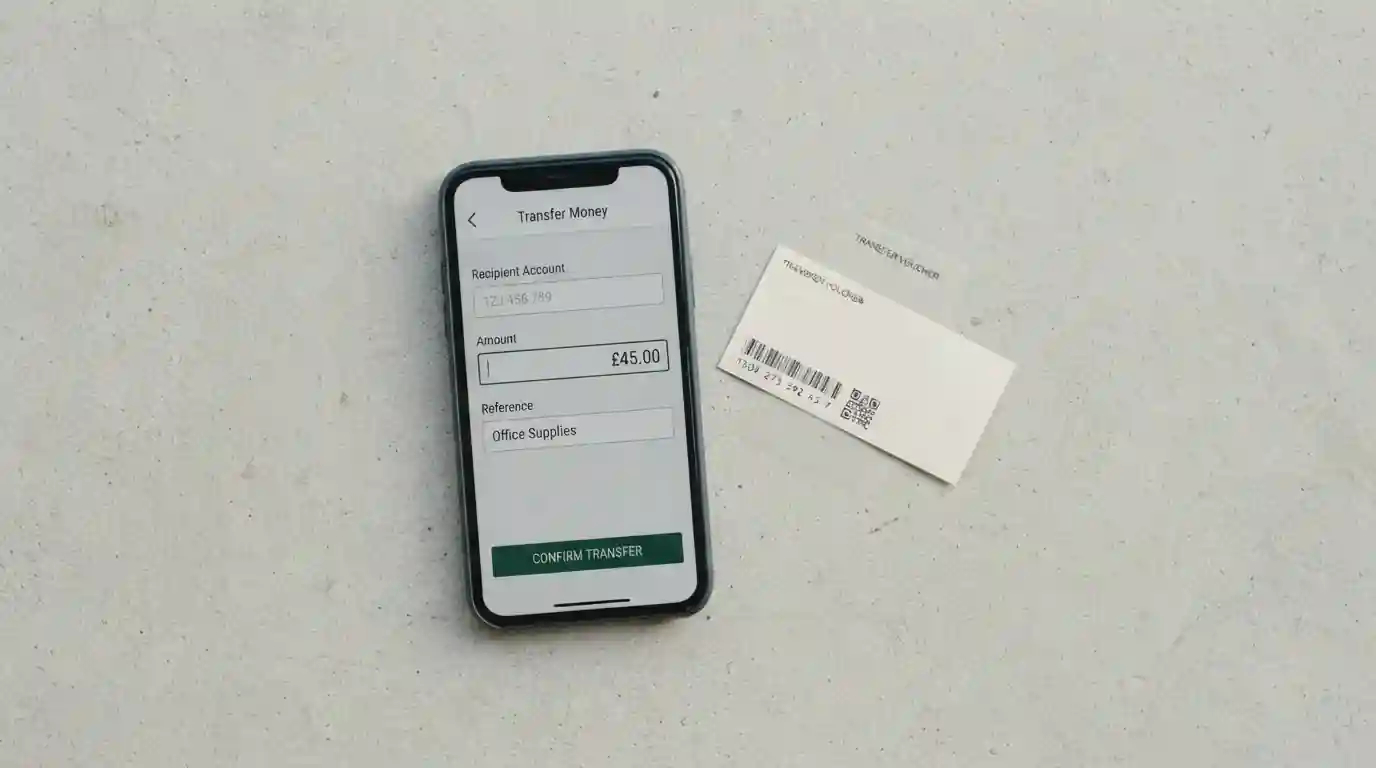
What replaces phone billing here, matched to what you actually wanted from it
Most guides answer “Boku is unavailable” with a flat menu of alternatives and leave you to work out which one matters. That is a list, not an answer. The four motives from the top of this page are the useful test, so each rail below gets scored against them: no card details handed over, no bank credentials handed over, deposit done in under a minute from the handset, and a hard ceiling you cannot exceed.
| Method | How fast | Limits in Australia | Fees | Pays out? | Motives met |
|---|---|---|---|---|---|
| PayID / Osko | About a minute, 24/7 | Bank-set daily cap, commonly around A$5,000 | None on the rail | Yes, where the operator supports it | No card details, no long bank credentials, sub-minute |
| Apple Pay | Instant | Your card’s limits | None on the wallet | No | No card details exposed, sub-minute |
| Google Pay | Instant | Your card’s limits | None on the wallet | No | No card details exposed, sub-minute |
| Neosurf | Instant once the PIN is entered | A$10 face value up; cashier floors A$15–A$30 | Purchase-point retail margin | No | All four, including the hard ceiling |
| Flexepin | Instant once the PIN is entered | Up to A$500 per voucher, 10 held at once | Purchase-point retail margin | No | All four, including the hard ceiling |
| BPAY | Business days | Your bank’s payment limits | None on the rail | No | No card details, no ceiling, not fast |
| MuchBetter | Instant where accepted | Wallet-set | Varies by operator | Yes at UK operators | Phone-native, but barely accepted here |
| Boku | Not available in Australia | — | — | No, anywhere | None, because the rail is absent |
PayID and Osko
This is the answer, and the irony is thick: PayID is literally a payment keyed to your phone number. You register a mobile number against your bank account, and anyone paying you needs that number rather than a BSB and account number. Osko is the service that moves the money, running over the New Payments Platform operated by Australian Payments Plus — launched in 2018, connecting more than 120 banks, credit unions and fintechs, and shifting something in the order of six billion dollars a day. It runs around the clock, settles in about a minute, and costs nothing.
Against the four motives it scores three. No card number touches the casino. No BSB or account number either. The deposit completes in the time it takes to switch apps and approve a transfer. What it does not give you is the fourth — a ceiling. PayID moves cleared funds from your account, so the only limit is whatever your bank sets, commonly around five thousand dollars per account per day. ING states a five thousand dollar daily Osko cap; Heritage sets a three dollar minimum and a five thousand dollar maximum per day per member number. Those are your bank’s numbers, not the casino’s, and they are the real ceiling on a deposit — a detail worth knowing when a cashier claims a higher maximum than your bank will actually send.
Worth understanding why PayID became the default rather than one option among many. POLi Payments, the bank-transfer gateway that Australian casino cashiers relied on for years, ceased Australian operations on 30 September 2023 under Australia Post ownership. Nothing directly replaced it. PayID absorbed the traffic, which is why it now appears at the top of practically every AU-facing cashier and why older affiliate pages still listing POLi are simply out of date.
Apple Pay
The closest match to how paying by phone bill actually felt. Thumb on the sensor, deposit done, nothing typed. Your card number never reaches the merchant — Apple Pay tokenises it, so the casino sees a device-specific token instead of the sixteen digits on your card. On an iPhone, iPad, Watch or Mac, and increasingly common on AU-facing cashiers.
What sits behind it is where the differences bite. Apple Pay is a pass-through instrument, not a payment method in its own right, and there is a card underneath. That means three constraints carry through. Apple approves nothing — only your issuing bank decides whether a transaction goes ahead, a point Apple’s own support documentation makes explicitly. If your bank’s gambling block is switched on, the wallet fails; ANZ, for one, states that its block covers digital wallet transactions as well as physical card use. And if the card behind the wallet is a credit card, the interactive wagering prohibition applies regardless of the wallet, because the 2023 amendment’s explanatory material captures credit routed through digital wallets deliberately.
Google Pay
Same mechanism, Android handset. Tokenised card, biometric or PIN confirmation on the device, instant deposit, no card number handed over. Every casino accepting Google Pay from Australian players is offshore, since none can be licensed here.
Presenting this as a materially different option would be padding. The wallet is not the variable — acceptance is, and that varies by which processor an operator uses and whether it holds gambling approval, far more than by whether you carry an iPhone or a Pixel. If Apple Pay works at a cashier and Google Pay does not, that is the operator’s payment stack talking, not Google’s.
Neosurf
The rail that reproduces what carrier billing was genuinely good at. Neosurf is a closed-loop prepaid voucher: you buy it with cash at a counter, receive a ten-digit PIN, and type that PIN into the cashier. Face values start at ten dollars, and it is sold across more than twenty thousand Australian retail outlets — newsagents, petrol stations, convenience stores, 7-Eleven. No bank, no card, no account.
Against the four motives it is the only clean sweep alongside Flexepin. Nothing about your bank reaches the casino because your bank is not involved. Nothing about a card reaches it either. The deposit itself takes seconds once you have the PIN, and the ceiling is absolute — buy a twenty dollar voucher, spend twenty dollars, and the session ends when the balance does. For anyone whose actual reason for liking the phone-bill model was budget control rather than convenience, this is a better tool than the thing they were looking for.
One trap catches people repeatedly. The voucher denomination and the cashier minimum are two different numbers, set by two different parties. Vouchers start at ten dollars; casino cashiers commonly set their Neosurf floor between fifteen and thirty, and some sites require twenty to thirty for the deposit to count toward a bonus on the same terms as a card. Check the cashier before the newsagent, or you will be back at the counter buying a second voucher.
Flexepin
Same model, different ceiling. Flexepin issues a sixteen-digit PIN and functions as digital cash at supported checkouts including gaming platforms, available in Australian dollar denominations through retail and authorised online resellers. The account-level limit is ten vouchers held at once at up to five hundred dollars each.
That per-voucher headroom is its reason to exist. Neosurf suits a twenty dollar session; Flexepin scales to five hundred a voucher while keeping the same separation between your bank and the cashier. One caveat that catches people out: euro-denominated Flexepin vouchers are a closed-loop instrument usable only at Flexepin itself, not at merchant sites, so buying the wrong currency leaves you holding something you cannot spend where you intended.
BPAY
The nearest conceptual cousin to paying by phone bill that exists on Australian infrastructure. You get a biller code and a reference number, you pay it from internet or phone banking, no card involved. Same mental model — settle it through the bill system, from the handset.
The catch is timing, and it is a serious one. BPAY clears in business days where PayID clears in about a minute, so a Friday night deposit may not be playable until the following week. Acceptance is also thin: Ricky Casino lists it, most of the group does not, because maintaining a biller arrangement is a heavier commitment for an offshore operator than plugging into a payment gateway. Worth noting for completeness that buy-now-pay-later products sometimes discussed in this context are credit products, and therefore barred from interactive wagering outright; Afterpay for its part does not accept BPAY, bank transfer or prepaid cards for repayments either.
MuchBetter
On paper, the best substitute on this page. MuchBetter is a phone-app wallet with its own payment token, in-app confirmation that mimics the carrier-billing flow closely, and — crucially — two-way support at the UK operators where it is established. Deposits and withdrawals through the same app on the same handset. Exactly what a reader arriving from a Boku page would want.
In practice, Australian acceptance is the problem, and the evidence is almost comic. The same affiliate site that runs an Australian Boku page admitting none of its listed casinos accept Boku runs an Australian MuchBetter page carrying the identical notice about MuchBetter. Public Australian data on the method is thin, which is itself the finding: a payment rail nobody documents at Australian cashiers is a rail Australian cashiers are not running. Keep it in mind if the market shifts. Do not plan a deposit around it today.
Boku, for completeness
Included because it is the option you came for and its absence deserves a proper entry rather than a footnote. Boku, Inc., founded 2009, roughly two hundred employees, more than seven billion reachable payment accounts, over two hundred local payment methods on one integration, annual volume above nine billion US dollars. At UK cashiers it runs ten to thirty pounds a transaction, thirty to two hundred and forty pounds daily, against a carrier monthly ceiling near forty pounds that lifts on request, with EE, Vodafone, O2 and Three in the tiles and deposits crediting in seconds.
None of that reaches Australia, and there is no withdrawal rail anywhere in the world because carrier settlement runs one direction only. Gambling access is gated when Boku acquires a merchant, with the United States excluded outright and Australia and Canada outside gambling scope. So the entry closes as it opened: a real product, well built, deliberately not sold here.
What is the closest thing to a pay by phone casino deposit for Australian players?
PayID, for most people. It is keyed to your mobile number, needs no card details or account numbers, settles in about a minute from your banking app, and costs nothing. If a hard spending ceiling mattered more than speed, a Neosurf or Flexepin voucher bought with cash reproduces that better than any phone-bill product would.

Making the deposit, step by step, on a phone
PayID from your banking app
The flow is short enough that the first attempt is the only awkward one. At the cashier, choose PayID and enter the amount. The casino returns a PayID — usually an email address or a mobile number — along with a reference or description you are asked to include. Open your banking app, choose to pay someone by PayID, paste it in, and your bank displays the registered account name before you confirm. Check that name. It is the one fraud-prevention step in the process and the only moment you get to see who you are actually paying. Approve, and the balance typically appears within a minute or two.
Two practical points. Include the reference exactly as given, because an unmatched transfer sits in a manual queue until support pairs it with your account, which turns a sixty-second deposit into a day. And register your own PayID beforehand if you want the option of a PayID withdrawal later — some operators will only pay out to a PayID linked to the account name that matches their identity records.
A voucher, start to finish
Check the cashier minimum first. Then buy the voucher — Neosurf or Flexepin, at a newsagent, petrol station or convenience store, or through an authorised online reseller if you would rather not leave the house. Keep the receipt until the PIN is redeemed. At the cashier, select the voucher method, key in the PIN, and the balance credits immediately.
If the voucher value exceeds what you want to deposit, most cashiers will credit the full amount rather than the part you specify, so buy the denomination you intend to spend. Partial redemption is inconsistent across operators and support conversations about voucher remainders are dull, slow, and rarely go your way.
When the deposit gets declined
Card and wallet declines on casino deposits are routine in Australia and almost never about your balance. Payment networks flag gambling merchants under a specific merchant category code, and Australian banks act on it. Westpac, St.George, ANZ and their peers all offer a cardholder-activated gambling block that stops transactions categorised as betting or casino, and on debit cards only the individual cardholder can switch it on — meaning a block you forgot enabling months ago will silently kill a deposit today. ANZ’s version explicitly covers digital wallet transactions, so switching from card to Apple Pay changes nothing.
Beyond a deliberate block, the other common causes are the issuer declining the merchant category outright, the operator’s own processor lacking gambling approval for wallet transactions, or a credit card behind the wallet running into the interactive wagering prohibition. The diagnostic order that saves the most time: try PayID, since it runs on the banking rail rather than the card networks and sidesteps merchant category filtering entirely. If PayID also fails, the problem is at the operator’s end and no amount of card-swapping will fix it.
Why was my casino deposit declined when the card works everywhere else?
Almost always merchant category filtering rather than funds. Banks flag gambling merchants and act on cardholder-activated gambling blocks that also cover digital wallets, so switching to Apple Pay changes nothing. Credit cards face a separate legal prohibition. Try PayID instead — it runs on the banking rail, not the card networks.
Getting money back out, which is where every phone method stops
Why none of these rails pays out
Carrier billing cannot pay out because there is no mechanism for crediting a merchant refund onto a phone bill; settlement flows one way, monthly, from network to provider to merchant. Vouchers cannot pay out because they are closed-loop instruments — a Neosurf PIN is spent when redeemed and there is nothing to send money back to. Phone wallets cannot pay out because they are pass-through card instruments, and while a refund to the underlying card is technically possible, casinos treat withdrawals as a separate process routed through their own approved payout methods rather than reversing a deposit.
Which leaves bank transfer, crypto, and — at operators that support it — PayID. SkyCrown running PayID in both directions is genuinely unusual and the main reason it sits second on this page; most of the operator list takes PayID in and sends winnings out through a different channel entirely.
The second method, and the KYC surprise
Here is the part that catches Australian players who deposit exclusively by voucher. Identity verification is triggered at withdrawal, not deposit, and it attaches to the method you are cashing out to. Deposit by Neosurf for three months and you have handed the operator no bank details and no card — which felt like the whole point. Request a withdrawal and you are suddenly supplying bank account details, photo identification, and often proof of address, for a payout channel you have never used with them.
That is not an operator being difficult; anti-money-laundering obligations sit behind it, and any site that paid out large sums to unverified accounts would have a different set of problems. But it does mean the privacy you bought with a cash voucher is a deposit-side privacy only, and it expires the moment you win. Plan for it. Have the documents ready before you request the money rather than after, because verification queues at offshore operators are measured in days when the paperwork is wrong and hours when it is right.
The other consequence is timing. A withdrawal to a method you have not previously verified is the slowest kind, and the payout speeds quoted across this page — two to four hours at SkyCrown, under four at Casinova — assume a verified account. First withdrawals routinely take longer than the advertised figure for exactly this reason, and that gap is where most complaints about “slow payouts” actually originate.
Can I withdraw winnings back to my phone bill or to a Neosurf voucher?
No. Carrier billing and prepaid vouchers are one-directional by design, so neither can receive money. You will need a second method — bank transfer, PayID where supported, or crypto — and identity verification attaches to that method at withdrawal, not to whatever you deposited with.

What Australian law says about funding a gambling account
No pay by phone casino page anywhere covers this, and it decides which methods on this page survive. The rules on funding a gambling account in Australia changed materially in June 2024, and they explain both why credit is off the table and why offshore operators sit where they do.
The Interactive Gambling Act, and who it actually binds
The Interactive Gambling Act 2001, in its compilation as amended and in force on 11 June 2024, prohibits supplying prohibited interactive gambling services to people physically present in Australia. Online casino games — pokies, table games, live dealer — fall squarely inside that prohibition. Licensed online wagering on sport and racing, plus lotteries, are carved out. The Australian Communications and Media Authority enforces it, maintains a block-list of illegal offshore sites, and has those sites blocked at the internet provider level.
The detail almost everyone gets backwards: the Act binds the supplier, not the player. An operator offering online pokies to Australians is supplying a prohibited service. An Australian who plays there has committed no offence under the Act. That asymmetry is why offshore casinos can advertise heavily to Australian audiences while no Australian licence for their product exists, and it is why this page can name operators without hedging about your legal exposure. Yours is not the risk being managed here.
It also explains the structural point running through the operator list. There is no Australian online casino licence for anyone to hold, which means there is no register to check, no local regulator to complain to, and no domestic body that can compel an operator to honour its own terms. Curaçao, Anjouan, Tobique and the Comoros authority are what fill that space. Whether any of them would take your side in a dispute is a question best answered before you deposit rather than after.
Credit cards and digital currency, out since June 2024
The Interactive Gambling Amendment (Credit and Other Measures) Act 2023 prohibits credit cards, credit-related products and digital currency as payment methods for interactive wagering services. It commenced with that June 2024 compilation, bringing online wagering into line with land-based gambling where credit card use has long been barred.
The drafting anticipated the obvious workaround. The explanatory material accompanying the bill addresses payment by credit card including via digital wallets, so loading a credit card into Apple Pay and depositing through the wallet does not escape the prohibition — the credit instrument behind the token is what counts. Digital currency sits under the same bar for licensed interactive wagering, which is worth registering given how much of the offshore market now runs on crypto payouts.
Banks have hardened the payment layer around the legislation independently. Westpac, St.George and ANZ among others offer cardholder-activated gambling blocks operating on merchant category codes, covering both physical cards and digital wallets. On debit cards, only the individual cardholder can activate the block; on credit cards, only the primary cardholder. These are consumer-controlled tools rather than legislative requirements, and they are genuinely effective — which is the point of mentioning them here rather than in a compliance footnote.
BetStop, and what “not on BetStop” really buys you
BetStop, the National Self-Exclusion Register, has been live since August 2023 as a free Commonwealth service. Register once and every licensed Australian online and phone gambling provider is obliged to block your account, with no exceptions and no per-operator paperwork.
Its reach stops at licensed Australian operators. That is a jurisdictional fact, not an operator feature: an offshore casino holds no Australian licence, so no Australian obligation attaches to it, and nothing about BetStop can reach it. Which is exactly why a steady stream of searches pairs the phrase with “not on BetStop” — and why the affiliate pages answering those searches frame the gap as a benefit. Bigger bonuses. Higher limits. No register.
Read that framing carefully, because the same absence cuts both ways. The reason an offshore site is not on BetStop is the reason it owes you nothing. MyStake’s terms are the concrete demonstration: withdrawals capped at €7,500 weekly and €15,000 monthly, a €100,000 maximum win per bet or spin, three clauses deducting 20 percent. Every one of those is legal, disclosed, and entirely unreviewable by any Australian authority. Someone who registered with BetStop and then went looking for a site outside it has not found a loophole. They have found a venue with no obligation to the decision they made about themselves.
Is it legal for an Australian to deposit at an offshore online casino?
The Interactive Gambling Act binds operators, not players. An offshore casino offering pokies to Australians is supplying a prohibited service; you commit no offence by depositing. What you lose is recourse — no Australian regulator oversees the site, so its terms are the only agreement protecting you.
What does “pay by phone casino not on BetStop” actually mean?
It means an offshore site that Australia’s self-exclusion register cannot reach, because BetStop only binds licensed Australian operators. It is a jurisdictional gap, not a feature. The same absence of Australian obligation that keeps the site off the register also removes any authority you could complain to.
What you play once the money lands
The pokies are the reason most people are here, whatever the payment question on the way in. Australian-facing lobbies run to thousands of titles and lean on the studios that have defined the last decade of the format — Pragmatic Play, BGaming, Evoplay, NetGame, Platipus, with NetEnt titles turning up in most cashiers’ game filters despite the studio never having built anything specifically for a phone-bill deposit. The names that recur in AU-facing lobbies are the ones you would expect: Gates of Olympus, Big Bass Bonanza, Bonanza Megaways, Aviator.
Live dealer works less well on a phone than the marketing suggests. Blackjack and roulette streams are built for a laptop screen; on a handset the betting grid shrinks to something you will misclick at least once, usually for more than you intended. Crash games — Aviator and its imitators — are the exception, designed for a single thumb and a short attention span, which is precisely why they have colonised mobile lobbies over the past two years.
Bingo appears alongside pokies on a handful of these sites and in a scattering of searches, though it is a different vertical with its own operators and rarely worth choosing a casino for. If pokies on a small screen are the plan, lobby size matters less than whether the site’s game filter works properly on mobile, and that is something you can test in thirty seconds before depositing anything.

Bonuses, and whether your deposit method costs you one
Payment method routinely gates bonus eligibility, and it is the sort of clause that only becomes visible when a deposit fails to trigger the offer you signed up for. At UK operators the pattern is explicit: carrier and voucher deposits get excluded from promotions because they cost the operator more in fees, with terms carrying wording along the lines of deposits via pay by phone, Boku or Siru not qualifying. Australian-facing cashiers are less consistent but the same logic applies to vouchers, and some sites quietly set a higher Neosurf minimum for bonus parity with cards.
The structures themselves deserve more scepticism than they usually get. GoldenBet’s welcome package is three separate 100 percent matches to €500 each at 35 times wagering, slots only, €5 maximum bet, with a 10 times cap on bonus winnings you can actually withdraw. Ricky Casino’s A$7,500 headline spreads across ten deposits. MyStake runs 30 times wagering on deposit plus bonus. Work any of these through and the number on the banner bears little relation to the money that reaches your account — a “free” spin is free in the sense that a dentist’s lollipop is free, and the casino is not running a charity drive.
Two clauses to check before the percentage. First, whether your intended deposit method qualifies at all. Second, the maximum bet permitted while wagering, because exceeding it — often five dollars or five euros — voids the bonus and occasionally the winnings, and it is the single most common way players lose a cleared bonus they had genuinely earned. Currency adds a third wrinkle at the euro-denominated sites: your bankroll is in Australian dollars, the caps are in euros, and the conversion is not applied in your favour.
Do casinos give bonuses on pay by phone or voucher deposits?
Often not. Voucher and carrier deposits are frequently excluded from promotions because they cost operators more in fees, with terms naming the methods directly. Some Australian-facing sites also set a higher voucher minimum for bonus parity with cards. Check the excluded-methods clause before depositing, not after.
How this list was put together
The ranking axis is deliberate. Operators are ordered by how well their cashier serves a player depositing from a handset without surrendering card or bank details, and by how the money comes back out — not by bonus size, which is the axis most lists use because it is the easiest to copy from a press kit.
Where figures come from operator pages or affiliate testing, they are operator claims, and this page labels them that way rather than laundering them into facts. Casinova’s 9.6 out of 10 is one reviewer’s score, not a measurement. Cleobetra’s sub-two-hour payout appears in a single source. Lobby counts for Neospin range from three thousand to eight thousand across pages describing the same site in the same year, which tells you what those numbers are worth. Licence attribution for Neospin is contradicted across three sources naming three different issuers, and rather than pick the tidiest one, the entry says so — a brand whose licensor cannot be pinned down from public sources is a brand to verify at the cashier before funding.
Regulatory material comes from the legislation and the responsible agencies: the Interactive Gambling Act compilation in force 11 June 2024, the 2023 credit and digital currency amendment and its explanatory material, BetStop and the Australian Communications and Media Authority, plus the published payment terms of Australian banks and carriers. Payment mechanics come from the scheme operators — Australian Payments Plus for the New Payments Platform, bank product terms for daily caps, and the voucher issuers for denominations and holding limits. Where a figure could not be verified against something better than an affiliate page, it is described qualitatively instead of quoted.
Keeping it in proportion
The methods on this page are convenient, and convenience is precisely the risk. A deposit that takes under a minute from your phone removes the friction that used to function as a pause, and a payment rail that hides nothing from you while hiding everything from your bank statement is easier to repeat than one that does not. That is not an argument against PayID. It is an argument for deciding the number before you open the cashier.
Vouchers are the better tool if that is a live concern, and it is the one genuine advantage phone-bill billing had that translates here intact. A cash voucher is a spending decision made at a counter, in advance, with a ceiling you cannot argue your way past at eleven at night. Buy thirty dollars, play thirty dollars, and the session ends when the balance does rather than when you decide to stop.
If gambling has stopped being a discretionary spend, the tools are free and they work. BetStop blocks every licensed Australian provider in one registration. Australian banks offer gambling blocks you can activate yourself on debit and credit cards, covering digital wallets as well as physical cards. Gambling Help Online operates around the clock across the country. Offshore sites sit outside all of the operator-side protections, which is worth weighing before treating “not on BetStop” as an advantage rather than a warning. Eighteen and over, and the house edge is not a rumour.
Casino Deposit Methods Australia 2026 — PayID, POLi, PayPal & More
Content created by the «PayCasino» team